
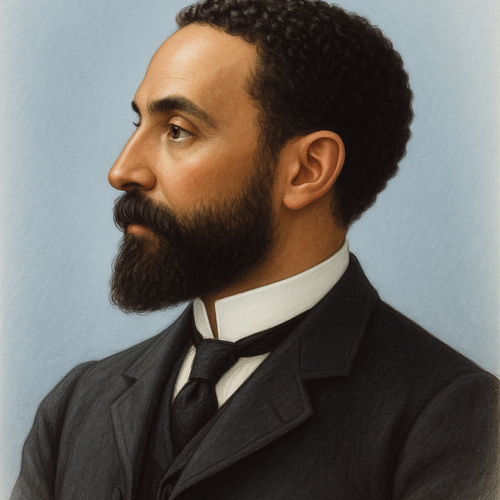
Horatio W. Dresser
Horatio Willis Dresser (January 15, 1866 – March 30, 1954) was an American New Thought philosopher, author, and historian whose work helped define and preserve the intellectual foundations of the mind-cure movement. Born in Yarmouth, Maine, he was uniquely positioned to chronicle the origins of New Thought: both of his parents, Julius A. Dresser and Annetta Seabury Dresser, had been direct followers of the pioneering mesmerist Phineas Parkhurst Quimby, whose ideas about mental healing laid the groundwork for an entire spiritual tradition.
Dresser pursued a distinguished academic career, earning his Ph.D. from Harvard University in 1907 after an earlier period of study there in the early 1890s. He was a driving force in the early organizational life of the New Thought movement — he helped found the Metaphysical Club of Boston in 1895, which he described as the "first permanent New Thought club," and launched two influential periodicals: the Journal of Practical Metaphysics (1896) and The Higher Law (1899). He taught philosophy at Ursinus College in Philadelphia and later served as a minister in the General Convention of the Church of the New Jerusalem, bringing a Swedenborgian dimension to his already eclectic spiritual outlook. He also served as president of the International New Thought Alliance.
His most enduring contributions came through his writings. His debut work, The Power of Silence (1895), introduced his ideas to a broad audience, while A History of the New Thought Movement (1919) became the definitive early chronicle of the field. Most significantly, his 1921 compilation The Quimby Manuscripts brought Phineas Quimby's original writings to public light for the first time, reigniting a long-running debate about the sources of Mary Baker Eddy's Christian Science and cementing Quimby's place as the father of American mental healing. Dresser's prolific career — spanning more than five decades — made him one of the most important figures in understanding how New Thought evolved from a fringe healing practice into a major strand of American spirituality, with profound influence on the self-help and personal development traditions championed by Nightingale-Conant.
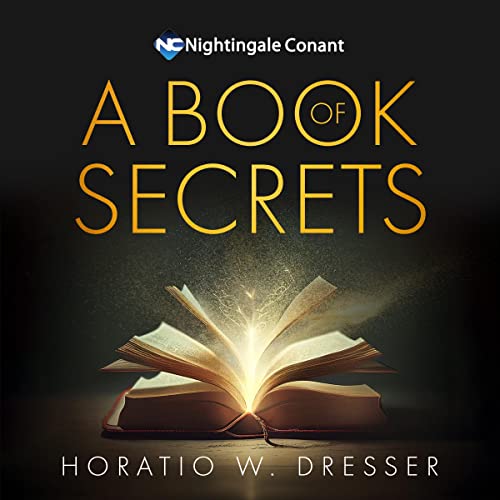
Programs by

As an Amazon Associate, Nightingale-Conant earns from qualifying purchases — at no additional cost to you.
Cookies
We use cookies to improve your experience and analyze site traffic. See our Privacy Policy for details.
Choose what to allow
-
Required for the site to work — checkout, login, security. Always on.
-
Helps us understand how visitors use the site (Google Analytics 4).
-
Allows personalized advertising. NC currently runs no ad pixels — this stays denied unless you opt in.
- Choosing a selection results in a full page refresh.
- Opens in a new window.