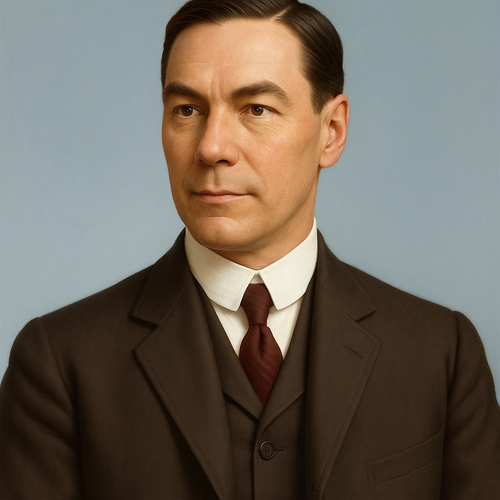
Charles Francis Haanel (1866–1949) was an American author, philosopher, and successful businessman who became one of the most influential figures in the New Thought movement of the early twentieth century. Born on May 22, 1866, in Ann Arbor, Michigan, Haanel built a distinguished career as an entrepreneur before turning his attention to the principles of mental science and personal development. As president of the Continental Commercial Company and other business ventures, he demonstrated firsthand the power of disciplined thinking and focused intention — principles he would later codify into a system available to anyone willing to study and apply them.
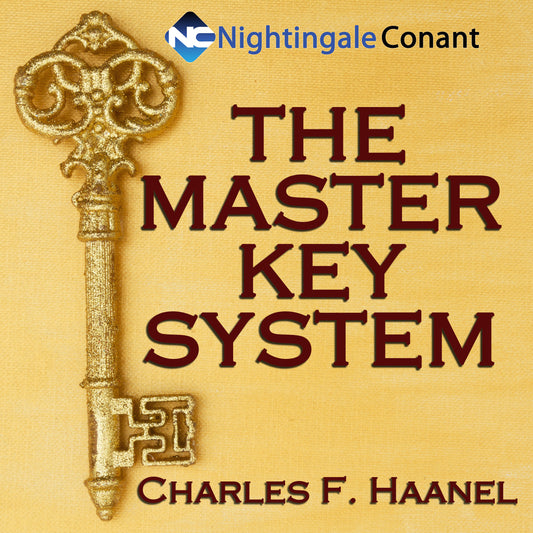
Haanel's enduring legacy rests on The Master Key System, first published in 1912 as a twenty-four-part mail-order course and later collected into book form in 1917. Drawing on New Thought philosophy, metaphysics, and practical psychology, the work presents a step-by-step program for developing mental mastery, attracting success, and achieving harmony in all areas of life. Each lesson pairs philosophical insight with a specific concentration exercise, guiding readers toward what Haanel called the "Master Key" — an understanding that the mind is the cause behind every condition in one's life. The course sold more than 200,000 copies by 1933 and earned the admiration of Napoleon Hill, who credited it as a major influence on his own landmark work. Decades later, Rhonda Byrne cited Haanel in The Secret, introducing a new generation to his timeless teachings.
Beyond The Master Key System, Haanel authored Mental Chemistry (1922), The New Psychology (1924), A Book about You (1927), and The Amazing Secrets of the Yogi (1937). He died on November 27, 1949, in University City, Missouri, at the age of eighty-three. His body of work remains a cornerstone of the personal development tradition, offering seekers of success a rigorous, practical framework for transforming thought into reality — as relevant today as when he first put pen to paper more than a century ago.