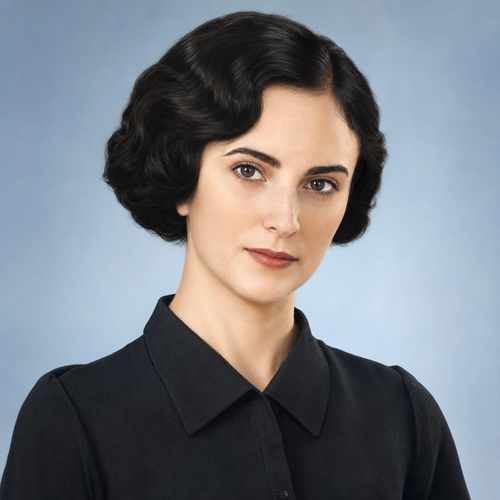
Dorothea Brande (1892–1948) was an American author, editor, and journalist whose writings on the creative process and personal success placed her among the most influential self-help pioneers of the twentieth century. Born Alice Dorothea Alden Thompson in Chicago, she studied at the University of Chicago, Lewis Institute, and the University of Michigan before embarking on a career in newspaper reporting and literary editing. Her sharp intellect and practical wisdom would eventually reach millions of readers hungry for guidance on unlocking their full potential.
Her first landmark book, Becoming a Writer (1934), was a revelation for aspiring authors worldwide. Rather than teaching grammar or plotting technique, Brande explored the psychology of the creative mind — how to cultivate the unconscious, overcome resistance, and establish disciplined writing habits. Decades ahead of its time, the book remains in print today and is still recommended by writing instructors and published authors as essential reading.
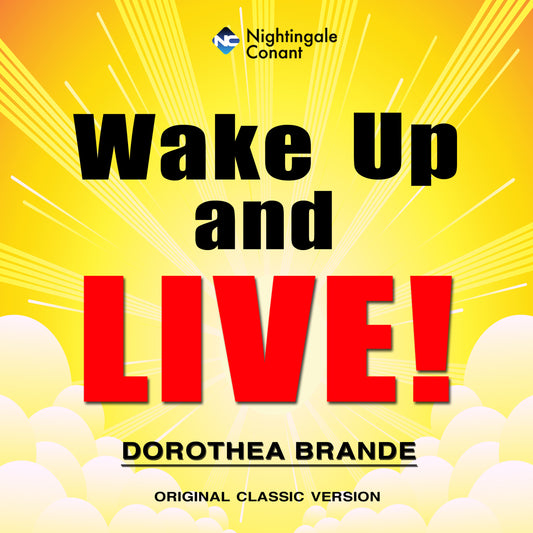
Brande's greatest commercial triumph came with Wake Up and Live! (1936), which sold more than one million copies and inspired a popular 1937 Hollywood comedy film adaptation. The book's central message — that most people fail not from lack of talent but from self-imposed mental barriers — resonated deeply with Depression-era readers seeking hope and direction. Brande argued that success was available to anyone willing to act as if failure were impossible. Her insights on mindset, motivation, and purposeful living established her as one of the earliest female voices in the success literature tradition, anticipating themes that would define the genre for generations to come. At Nightingale-Conant, her timeless principles continue to inspire listeners pursuing achievement, creativity, and a more purposeful life.