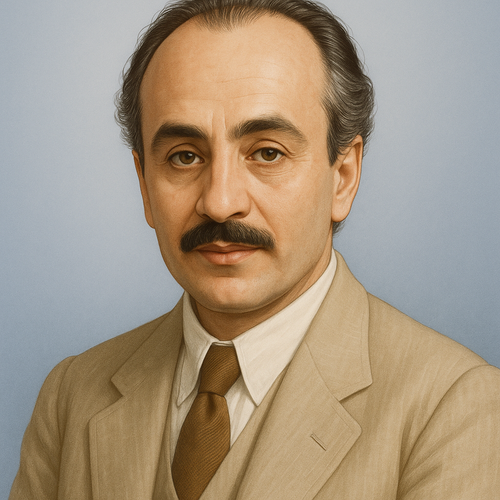
Kahlil Gibran (1883–1931) was a Lebanese-American poet, artist, and philosopher whose work transcended cultural boundaries to touch the hearts of millions around the world. Born Jubrān Khalīl Jubrān in the mountain village of Bsharri in what is now Lebanon, Gibran immigrated to the United States as a child, eventually settling in Boston where his extraordinary gifts as both a writer and visual artist began to flourish. His life embodied the intersection of Eastern mysticism and Western literary tradition, making him one of the most uniquely positioned voices of the twentieth century.
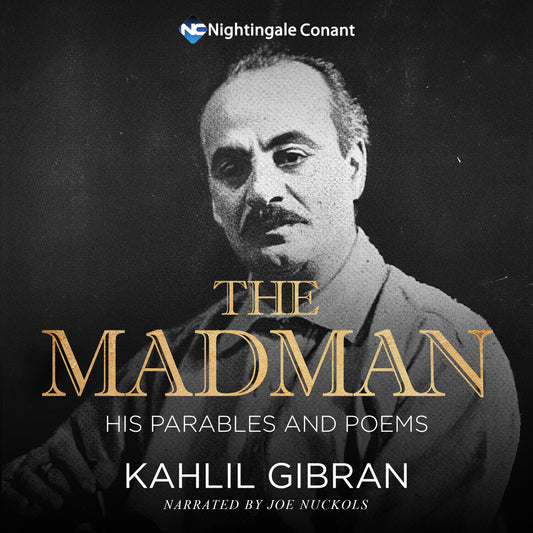
Gibran's masterwork, The Prophet, published in 1923, stands as one of the best-selling books of all time, having been translated into more than 100 languages. In it, the prophet Almustafa delivers a series of poetic discourses on love, freedom, joy, sorrow, work, and the nature of the soul — timeless wisdom that continues to resonate across generations and cultures. His lyrical prose carries the weight of ancient spiritual traditions while remaining deeply accessible and personal, offering readers a profound mirror in which to examine their own lives. Beyond The Prophet, Gibran authored a rich body of work in both Arabic and English, including The Madman, Sand and Foam, and Jesus the Son of Man, each revealing his deep contemplation of human nature and divine truth.
In the Nightingale-Conant catalog, Gibran's teachings stand alongside the great thinkers and motivators of the self-development tradition. His words carry a philosophical depth and poetic beauty that inspire reflection on life's deepest questions — purpose, love, loss, and spiritual growth. Whether encountering him for the first time or returning to his timeless verses, listeners will find in Gibran a gentle yet transformative guide who believed that the human soul contains the seed of all wisdom, and that true self-knowledge is the beginning of all greatness.